 Log In





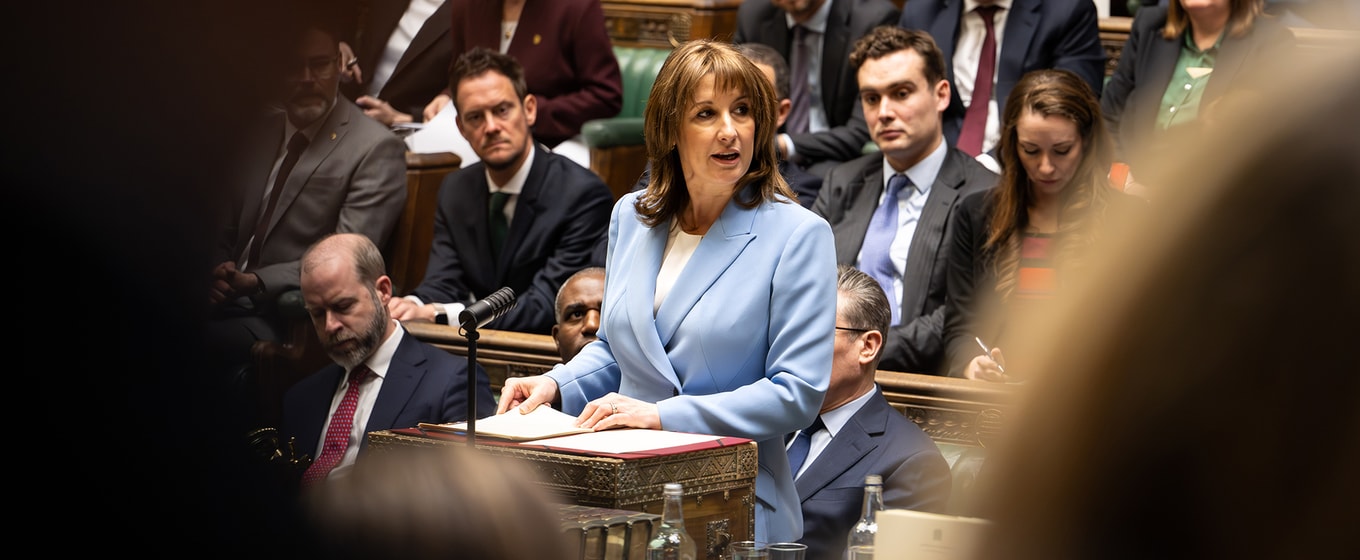
On Tuesday 3rd March 2026, Chancellor Rachel Reeves delivered the Spring Statement.
Alongside her speech, the Office for Budget Responsibility (OBR) published its latest Economic and Fiscal Outlook, setting out updated forecasts for growth, inflation, borrowing, and employment.
Together, they give the full picture:
- The Chancellor sets out the government’s narrative and priorities.
- The OBR provides the independent data behind them.
Here’s a look at what that means for your business.
What is the Spring Statement?
The Spring Statement (sometimes known as the Spring Budget) is a fiscal update from the government. Unlike the Autumn Budget, it’s usually not packed with new tax changes or major announcements.
Instead, it covers:
- The current state of the UK economy
- Updated forecasts for growth and inflation
- Government borrowing figures
- Any adjustments to previous tax or spending plans
This year followed that pattern. Reeves’ Spring Statement focused mainly on updated forecasts rather than new business policies.
The government’s message: stability first
The tone of the Statement was clear: steady public finances, controlled inflation, gradual growth.
There were:
- No new business tax increases
- No new SME support packages
- No major spending shifts
For business owners, that means predictability in the short term. But it also means there’s limited room for new relief or measures to boost growth.
What the OBR forecasts show
Economic growth is slower than expected
The OBR has downgraded UK growth for 2026 to 1.1%.
In other words, the economy is still growing – just more slowly than hoped.
That means:
- Customers taking longer to commit
- Longer sales cycles
- More cautious hiring decisions
Growth is forecast to improve to 1.6% in later years. But 2026 is expected to be a softer year.
Inflation is easing, not reversing
Inflation is expected to continue falling towards the Bank of England’s 2% target by the end of the year.
That’s good news for stability. It could mean:
- Business costs may become more predictable
- More room to reduce interest rates
- Borrowing costs could ease over time
But inflation falling doesn’t mean prices drop, only that they’re rising more slowly. Most costs aren’t returning to pre-2022 levels.
And global events – particularly energy markets – could still disrupt progress.
Interest rates may fall slightly
Interest rates are expected to fall to around 3.3% by late 2026, before gradually rising towards 4.0% by 2030.
For SMEs using loans or credit facilities, that suggests:
- Borrowing costs may ease slightly in the short term
- Rates are still expected to remain higher than the low levels seen in the 2010s
In other words, funding may become slightly cheaper – but not dramatically so.
The labour market is cooling
Unemployment is forecast to peak at 5.3% in 2026. Wage growth is expected to slow to around 3.5%, falling further in later years.
For SMEs, this could mean:
- A slightly wider hiring pool
- Slower growth in payroll costs
However, previous increases to employer National Insurance contributions continue to affect overall staffing budgets.
The government is also consulting on changes linked to the Employment Rights Act. Final details are still being confirmed, so it’s worth keeping an eye on developments later this year.
Energy prices
Wholesale gas prices are forecast to be around 15% lower than previously expected.
For energy-intensive businesses, that may reduce pressure on operating costs. However, prices remain sensitive to global events and may can fluctuate.
Taxes and business rates
One key takeaway from the Labour Spring Statement is what wasn’t announced.
There are no new business tax increases in this Statement. However:
- Business rates will rise in line with inflation for most firms
- Pubs and live music venues will receive 15% business rates relief in 2026–27, followed by a two-year freeze
- Several personal tax thresholds remain frozen until 2031
Frozen thresholds can gradually increase the overall tax burden as wages rise – even without headline rate changes.
The broader picture? A focus on steadiness rather than big changes.
Government borrowing
The government says it remains within its fiscal rules, but the OBR report notes that ‘fiscal headroom’ (in other words, the spare room in the public finances before those rules would be breached) is limited.
That makes large tax cuts unlikely in the near term and limits scope for major new spending commitments.
For SMEs, that reduces policy volatility. But it also means businesses shouldn’t expect fresh stimulus.
What to watch
Both the speech and the OBR highlight some external risks:
- Potential US tariffs and wider trade volatility could affect import costs or export demand
- Ongoing tensions in the Middle East could lead to renewed price spikes
Whilst these risks aren’t immediate policy changes, they could influence costs and demand later in the year.


Enjoying this article?
Sign up to receive regular insights to your inbox.
So, what does the Spring Statement 2026 mean for your business?
In practical terms, the Spring Statement 2026 changes very little for small to medium-sized enterprises (SMEs)
Instead, it confirms:
- A slower growth year in 2026
- Falling inflation, if current trends continue
- Interest rates may fall modestly
- Stable tax policy in the short term
- Continued global uncertainty
The government’s message is one of control and discipline. The OBR Economical and Fiscal Outlook report suggests gradual improvement instead of rapid acceleration.
For SMEs, that makes the priorities clear:
- Protect cash flow
- Plan costs carefully
- Keep a close eye on borrowing rates
- Focus on steady, sustainable growth
In short, it’s a year that should reward careful planning over bold bets.
In summary
The UK Spring Statement was primarily an economic update rather than a policy event.
There are no significant new measures for SMEs. But the outlook points to gradual improvement beyond 2026 if inflation continues to ease and growth strengthens.
For business owners, the theme is simple: stay steady, stay flexible, and plan ahead.
Header image: House of Commons


These cookies are set by a range of social media services that we have added to the site to enable you to share our content with your friends and networks. They are capable of tracking your browser across other sites and building up a profile of your interests. This may impact the content and messages you see on other websites you visit.
If you do not allow these cookies you may not be able to use or see these sharing tools.